Table of Contents
- Why Engine Repair Coverage Options Matter for Your Fleet
- Mechanical Breakdown Coverage for Trucks: What It Actually Pays For
- Comparing Engine Repair Coverage Options Side by Side
- How Commercial Truck Repair Reimbursement Works
- After-Hours Truck Repair Claims: Getting Paid When Breakdowns Happen at 2 AM
- Truck Towing Reimbursement Coverage and Why It Belongs in Your Plan
- Common Mistakes When Choosing Engine Repair Coverage
- Conclusion
- Frequently Asked Questions
Last Updated: October 19, 2026
Why Engine Repair Coverage Options Matter for Your Fleet
A blown engine can sideline a truck for weeks and turn a predictable month into a financial crater. That is why comprehensive engine repair coverage options deserve a hard look before the breakdown happens, not after. At Total360™, we build equipment repair programs for commercial fleets, and we have observed that many operators discover too late that their plan excluded the exact failure they were facing.
The core problem is simple: a standard mechanical breakdown policy often looks thorough on the sales sheet but pays for far less than the driver assumes. Engine internals, transmission work, and electrical diagnostics are frequently the first items carved out. When you run Class 2-8 vehicles, those are also the components that fail most expensively.
Below, we break down what these plans actually pay for, how reimbursement works, and the mistakes that cost fleets the most money. Keep reading, because the difference between two plans that look identical often hides in a single exclusion line.
Mechanical Breakdown Coverage for Trucks: What It Actually Pays For
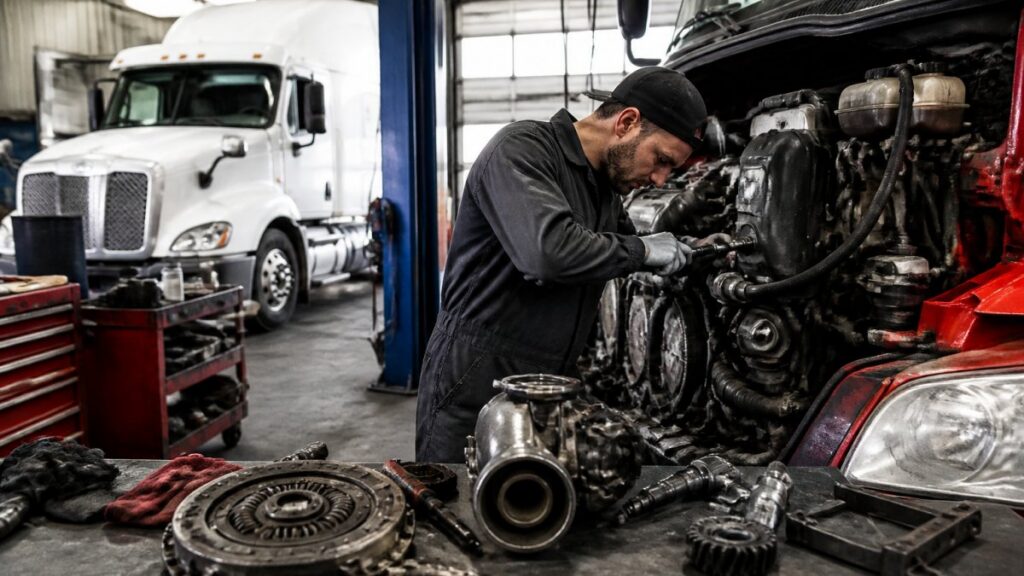
Mechanical breakdown coverage for trucks is a service contract that reimburses the cost of repairing covered components when they fail from normal use, not from a collision. It is not insurance, and it does not cover accident damage. It covers the wear-and-tear failures that insurance ignores.
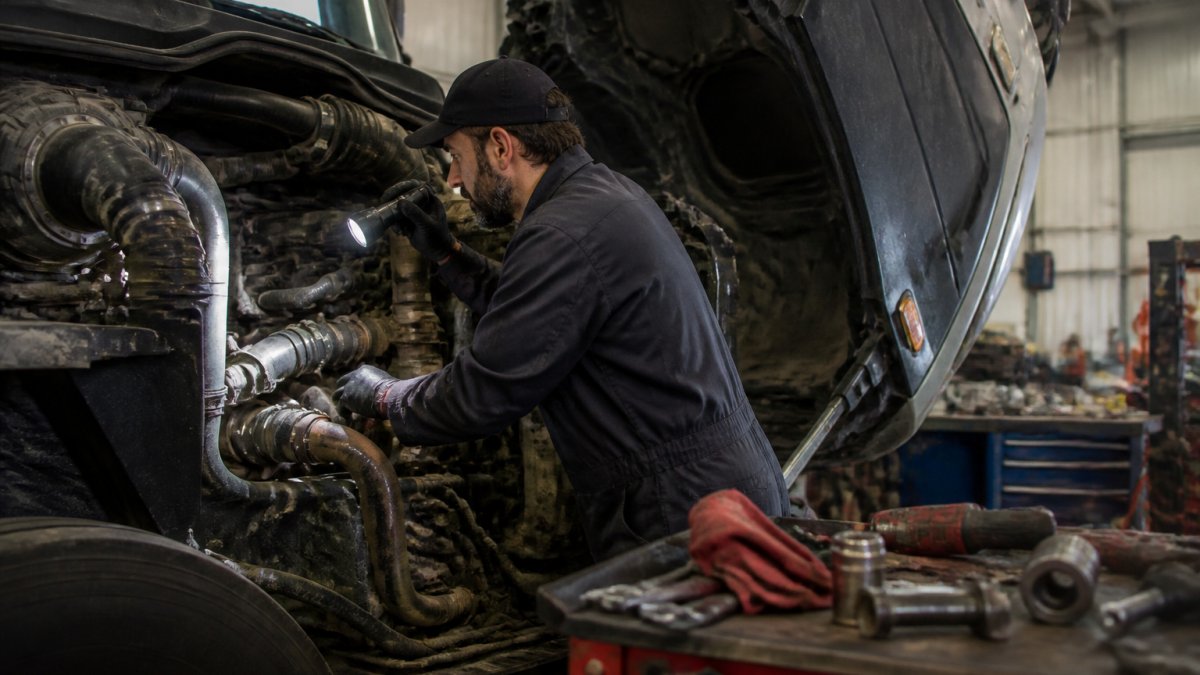
What gets paid depends entirely on the component list. A narrow plan might cover the block and heads only. A broad plan covers engine internals, the transmission, the differential, electrical systems, cooling, and more. We cover over 500 components on our plans, and that breadth is the whole point: comprehensive coverage helps address the failures that can be most impactful.
The most common trap is assuming “engine coverage” includes the turbo, injectors, or electrical diagnostics. Many contracts list the engine block but exclude the accessories bolted to it. Read the excluded-components schedule before you sign, not the headline.
Comparing Engine Repair Coverage Options Side by Side
Comparing engine repair coverage options comes down to four questions: what is covered, how claims are paid, whether inspections or mileage caps apply, and how fast reimbursement lands. Most buyers focus on the first and ignore the other three, which is exactly backwards.
How the Main Coverage Types Stack Up
| Coverage Type | What It Typically Covers | Best For | Watch Out For |
|---|---|---|---|
| Powertrain-only | Engine internals, transmission, drive axle | Tight budgets, newer trucks | Excludes electrical, cooling, turbo |
| Broad mechanical | 500+ components incl. electrical and cooling | Mixed-age fleets | Higher monthly cost |
| Towing add-on | Hook, tow, and roadside recovery | Long-haul and emergency fleets | May cap per-incident amount |
| After-hours claims rider | 24/7 claim intake and reimbursement | Fleets running nights and weekends | Confirm response time in writing |
What to Compare Before You Sign
Run every quote through the same checklist:
- Does the covered-components list include transmission, engine rebuilds, and electrical diagnostics?
- Are there inspections, mileage caps, or vehicle-age qualifications?
- What is the claim response time, and does it hold after hours?
- Is towing reimbursement standard or an add-on?
- Can you use your own trusted shop and get reimbursed?
Ask for the excluded-components schedule, not the covered list. A plan that covers 500 items still has a “what’s not covered” page, and that page is where the disputes live.
How Commercial Truck Repair Reimbursement Works
Commercial truck repair reimbursement follows a predictable path: you get the truck fixed, submit the repair invoice and documentation, and the provider pays back the covered portion. The speed of that reimbursement is what separates a plan that helps your cash flow from one that strains it.
The process usually looks like this:
- Get the truck to a shop and get a diagnosis.
- Call the claims line before or during the repair to open the claim.
- Submit the invoice, diagnosis, and any required photos.
- Receive reimbursement for covered components, minus any deductible.
A common mistake is skipping the pre-authorization call and submitting after the work is done. Many providers require notification first, and a missed call can delay or void a claim. Confirm the notification rule in writing.
After-Hours Truck Repair Claims: Getting Paid When Breakdowns Happen at 2 AM
After-hours truck repair claims are where most coverage plans quietly fail. Breakdowns do not wait for business hours, and a claims line that routes to voicemail at 2 AM on a Sunday turns a covered repair into an out-of-pocket nightmare.
This is the gap we built for. Total360™ offers a 24/7/365 claims reimbursement option with a 60-minute customer response time, so a driver stranded overnight can start the claim immediately instead of waiting until Monday. For emergency response fleets and long-haul operators, that timing is crucial for minimizing downtime.
Before you buy any plan, test the after-hours line yourself. Call on a Saturday night and see who answers and how fast. The response you get is the response you will get when it counts.
Truck Towing Reimbursement Coverage and Why It Belongs in Your Plan
Truck towing reimbursement coverage pays back the cost of hooking and recovering a disabled rig, and it belongs in every serious plan because a tow is the first cost you eat after a breakdown. A heavy-duty tow can run into serious money, and it happens before the shop even opens the hood. Mitigating these unpredictable expenses requires a clear understanding of how towing insurance coverage functions to protect your bottom line during roadside emergencies.
On our plans of 12 months or longer, a Standard Towing Reimbursement Benefit is included rather than sold as a separate add-on. That matters for fleets that cannot afford a surprise recovery bill on top of a repair bill.
One question worth asking: are you locked into a network shop, or can you use your own mechanic and get reimbursed? We let you use your trusted shop.
Common Mistakes When Choosing Engine Repair Coverage
The costliest mistakes in engine repair coverage are rarely about price. They are about assumptions. Here are the ones we see most:
- Buying on the headline, not the exclusions. The covered list sells the plan; the excluded list defines it.
- Ignoring vehicle age rules. Some providers deny claims on older trucks. We cover vehicles up to 30 years old with no age limit surprises.
- Skipping the after-hours test. A plan is only as good as its claims line at 2 AM.
- Assuming mileage caps do not apply. Some plans trigger denials or rate hikes at mileage thresholds. We have no mileage caps.
- Forgetting towing. A recovery bill can rival a repair bill. Build it in.
Do not assume “no inspection required” means “no claim review.” Confirm how claims are actually processed before you sign, and get the answer in writing so there are no surprises at filing time.
Conclusion
The real challenge is not finding a plan. It is finding one that pays when the engine fails at the worst possible moment, on a truck other providers would rather exclude. Total360™ covers over 500 components, protects Class 2-8 vehicles up to 30 years old, and includes a 24/7/365 claims reimbursement option with a 60-minute response time and a Standard Towing Reimbursement Benefit on longer plans. Get a quote from Total360™ and build coverage around the failures that actually cost your fleet money.
Frequently Asked Questions
Does comprehensive insurance cover engine repairs?
Standard comprehensive insurance generally covers engine damage caused by events like accidents, fire, or flooding, but it typically excludes mechanical failures from wear and tear. That gap is why many fleets add a dedicated mechanical breakdown plan alongside their insurance. When comparing engine repair coverage options, check what triggers a payout: sudden failure versus a covered incident. A separate breakdown plan fills the hole that comprehensive insurance leaves open.
What is the difference between comprehensive insurance and mechanical breakdown coverage?
Comprehensive insurance responds to external events such as collisions, theft, or weather damage. Mechanical breakdown coverage pays when a covered component fails on its own, like a transmission or engine component wearing out. For commercial trucks, mechanical breakdown coverage for trucks often includes reimbursement for parts and labor plus towing benefits. The two serve different purposes, and many fleet managers carry both so a blown engine is not left uncovered.
Are engine repairs covered if a breakdown happens after hours?
Coverage depends on the plan, but the claim process itself should not stop at 5 PM. Some providers now offer 24/7/365 claims reimbursement with fast response times, so a Sunday night breakdown gets a claim started immediately. Ask two questions before buying: can you file after-hours truck repair claims any day of the year, and how quickly does someone respond? A plan that only answers during business hours leaves your driver waiting when it matters most.
Does engine repair coverage include towing?
Not always, so read the plan details. Some programs bundle truck towing reimbursement coverage as a standard benefit, often on longer plans, while others sell towing separately. Towing a Class 8 truck can run hundreds of dollars, so a plan that reimburses it changes the math on a single breakdown. Confirm the reimbursement limit, whether you can use your own mechanic, and whether the benefit applies at night and on weekends.